As an Amazon Associate, we earn from qualifying purchases. Some links on this site are affiliate links at no extra cost to you. Our recommendations are based on thorough research and editorial judgment.


How Much Is Window Installation Cost?

When considering window installation costs, we should anticipate a range of $100 to $500 for vinyl double-hung windows, while bay and bow windows can cost between $1,700 and $3,859. Labor typically adds another $70 to $300 per window. Factors like material, installation type, and geographical location influence these costs considerably. Energy-efficient models may have higher initial expenses. If we explore further, we can uncover detailed breakdowns for different window types and materials.
Key Takeaways
- The national average cost for window installation is approximately $1,047 per window.
- Labor costs typically range from $70 to $300 per window, affecting the overall budget.
- Vinyl double-hung windows cost between $100 and $500, while bay windows range from $1,700 to $3,859.
- Installation complexity, such as full-frame versus retrofit, can significantly impact total costs.
- Geographic location and seasonal trends may influence local pricing and potential discounts.
Average Cost Range per Window
You may be interested


Typical costs can vary widely. For instance, vinyl double-hung windows often range from $100 to $500, while bay and bow windows may cost between $1,700 and $3,859. Overall, the national average for a window installation project, derived from extensive data, rests around $1,047. Understanding these price ranges helps us budget effectively for our window replacement needs, ensuring efficient choices aligned with our home’s aesthetic and functional requirements. Additionally, the costs of professional installation and labor are crucial factors that can significantly impact your overall budget.
Factors Influencing Window Installation Cost
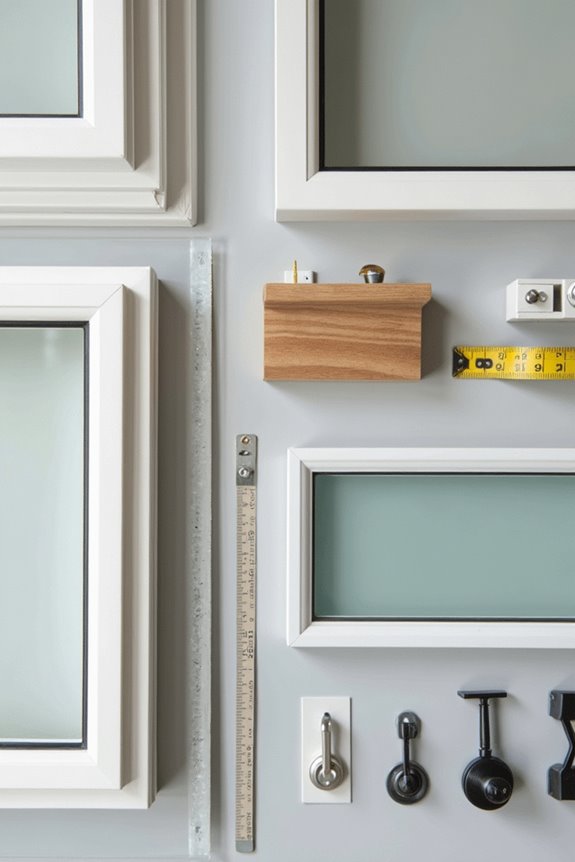
Understanding the average cost of window installation helps us identify key elements that can affect the overall price. Various factors play a role in determining the final cost, including:
- Window Frame Material: Vinyl, steel, and wood have different price ranges, influencing total expenditure.
- Installation Complexity: Full-frame installs or retrofits require distinct levels of labor and time, impacting costs.
- Geographical Location: Installation prices can vary based on local labor rates and material availability.
Additionally, energy ratings matter when choosing energy-efficient windows, which may have higher initial costs but save money on utilities over time. Furthermore, selecting windows with energy efficiency ratings can enhance your home’s insulation and potentially reduce heating and cooling expenses. We should also consider seasonal trends; winter might offer discounts, while peak seasons like spring and summer typically increase costs.
Cost Breakdown by Window Type
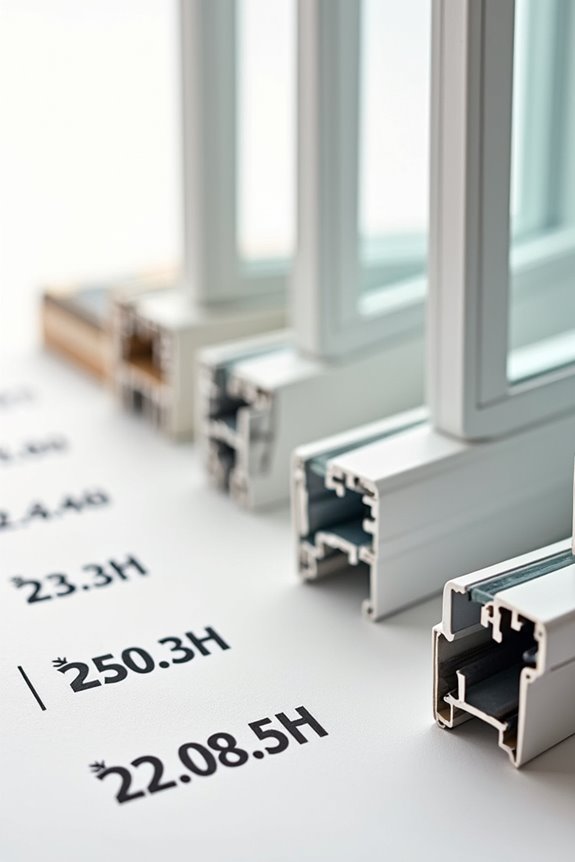
Let’s explore the cost associated with different window types, as each option carries unique pricing that can greatly influence your overall installation budget.
Casement Windows
- Installed cost: $597 to $1,273
- Operate via a crank, needing skilled installation, typically featuring energy-efficient glass.
Single-Hung Windows
- Cost: $200 to $850
- Fixed upper sash; less complex installation makes this a budget-friendly choice.
Double-Hung Windows
- Average cost: $429 to $915
- Both sashes move vertically, allowing good ventilation while maintaining moderate labor costs. Wood double hung windows enhance home value with their timeless appeal.
Sliding Windows
- Cost range: $775 to $1,652
- Higher labor costs due to size and complexity, often custom-sized.
Specialty Styles
– Picture windows start at $600; bow and bay windows are markedly higher.
These pricing comparisons offer insight into budgeting for your project effectively.
Materials and Energy Efficiency Impact

Window Frame Materials
- Vinyl ($200–$900): Good energy efficiency, low thermal conductivity.
- Wood ($300–$1,500+): Excellent insulation but requires maintenance.
- Aluminum ($75–$1,200): Durable, but poor insulator.
- Fiberglass ($500–$1,500): Highly energy efficient and durable.
- Composite ($300–$1,800): Combines materials for durability and improved energy performance.
Glass Types
- Double/Triple-pane: Enhances insulation by trapping air.
- Low-E coatings: Reflects heat, reduces HVAC costs.
- Gas fills (argon/krypton): Lowers heat transfer between panes.
Choosing energy-efficient window materials leads to improved insulation, reduced energy consumption, and enhanced comfort. Additionally, selecting windows with a U-factor of 0.30 or lower can significantly enhance energy efficiency in your home.
Labor and Installation Complexity

Key considerations include:
When we think about labor and installation complexity, labor hours play a significant role in determining costs. Typically, labor charges range from $70 to $300 per window, depending on factors like accessibility and the installation standards your home demands.
For instance:
- Complex installations can exceed $600 per window.
- Older homes often require extra labor hours due to non-standard framing.
- Structural modifications may add to installation complexity, leading to increased costs.
It’s essential to remember that labor usually accounts for 10-20% of total replacement expenses. Additionally, make sure your estimates clearly outline labor scope and any inclusions to help avoid unexpected charges. It’s also important to consider energy-efficient windows that may require specialized installation techniques to optimize performance and effectiveness.
Frequently Asked Questions
What Is the Best Time of Year to Replace Windows?
We’ve found that spring renovations work best for replacing windows. It’s like planting seeds; the warmth nurtures our homes for winter savings. Timing our upgrades wisely sets us up for comfort and efficiency all year long.
Are DIY Window Installations Feasible and Cost-Effective?
Yes, DIY window installations can be feasible and cost-effective! We gain DIY advantages by cutting costs, but we also face DIY challenges like potential mistakes and safety risks. Careful planning guarantees our success and savings!
How Can I Ensure the Right Window Size Is Selected?
So, we’re not designing rocket ships here! To choose the right window size, we must measure our openings carefully and consider frame types, ensuring a snug fit that looks good and complements our space beautifully.
What Permits Are Required for Window Installations?
We need permits for window installations to comply with building codes and installation regulations. These guarantee our projects meet safety standards and energy efficiency requirements, making our homes comfortable and secure for everyone involved.
Do Window Warranties Cover Installation Defects?
About 70% of homeowners overlook warranty coverage for installation defects. We should remember that adhering to installation standards is essential, as many warranties specifically cover defects arising from improper installation, protecting us from potential costly repairs.


