As an Amazon Associate, we earn from qualifying purchases. Some links on this site are affiliate links at no extra cost to you. Our recommendations are based on thorough research and editorial judgment.

How Effective Is Window Sealing Techniques?

Effective window sealing techniques are essential for energy efficiency and cost savings. Proper sealing can reduce heating and cooling costs by 15%, prolong HVAC lifespan, and prevent moisture damage. Common methods include backer rod and caulk, silicone caulk, and weatherstripping. Identifying air leaks is vital, using visual inspections or smoke tests. The cost for repairs ranges from $40 to $120, making sealing a cost-effective strategy. For further insights into specific techniques and their benefits, we can explore more details.
Key Takeaways
- Effective window sealing can save up to 15% annually on energy bills by reducing heating and cooling costs.
- Techniques like backer rod and caulk provide airtight seals, ensuring easy visual verification of effectiveness.
- Regular maintenance and sealing enhance window lifespan and provide significant upfront savings as part of energy efficiency strategies.
- Acoustic sealants and proper window installation effectively reduce noise, enhancing comfort in residential and automotive applications.
- Identifying air leaks through methods like smoke tests and infrared thermometers ensures targeted and efficient sealing efforts.
Understanding the Importance of Window Sealing
You may be interested


Why do we often overlook the significance of window sealing in our homes? Many of us might not realize that effective window sealing plays an essential role in energy conservation. Windows are primary pathways for heat transfer; consequently, poor sealing leads to increased heating and cooling costs.
- Proper window sealing maintains indoor temperatures, saving about 15% annually on energy bills.
- Airtight seals reduce HVAC workload, extending system lifespan and efficiency.
- Additionally, sealed windows prevent moisture infiltration, protecting against mold and structural damage. Window seal kits help significantly reduce heating costs during winter months, making them a wise investment for homeowners.
Common Window Sealing Techniques

While we often think about aesthetics when selecting windows, implementing effective sealing techniques is crucial for maintaining energy efficiency and comfort in our homes.
Common Sealing Techniques
Backer Rod and Caulk
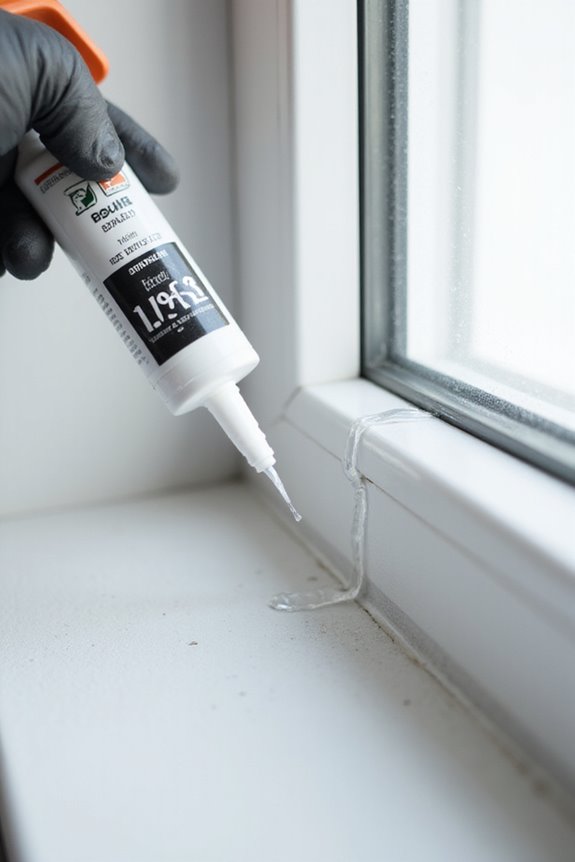
This method involves inserting a foam backer rod into gaps, followed by applying a flexible caulk. This guarantees an airtight seal and allows for visual verification.
Silicone Caulk Sealing
Silicone caulk is versatile and weather-resistant, suitable for interior and exterior applications. It remains flexible and durable, making it ideal for various materials.
Weatherstripping
Used for sealing gaps in moving window parts, it requires precise measurement for effective compression. Adhesive-backed options offer easy installation.
Window Insulation Film
To enhance insulation further, window insulation film can be added, which complements energy-efficient glazing options for maximum thermal performance.
Materials Used for Effective Sealing

In discussing window sealing techniques, it’s important to understand the various materials available for achieving effective seals. Each option has specific strengths and weaknesses that we must consider.
Silicone Sealants
- Flexible and waterproof, great for outdoor use.
- Not paintable, limiting aesthetic choices.
Polyurethane Sealants
- Strong adhesion and paintable post-curing.
- Offers good durability, but takes longer to cure than silicone.
Acrylic Latex Sealants
- Easy application, low VOC.
- Best suited for indoor use, but less durable.
Butyl Rubber Sealants
- Excellent weather resistance, ideal for bonding dissimilar materials.
- Typically more expensive.
Hybrid Sealants
- Blend flexibility with paintability.
- Suitable for diverse substrates and both indoor and outdoor applications.
The choice of sealant can greatly influence energy efficiency in your home, making it essential to select the appropriate material for your specific sealing needs.
Identifying Air Leak Points in Windows

Determining air leak points in windows is essential for maintaining energy efficiency in our homes. To identify these leaks, we can use several methods.
Visual and Physical Inspection
- Check for gaps in caulking or damaged glazing.
- Look for visible light near window sills and door thresholds.
- Feel for drafts along window edges.
Smoke and Airflow Testing
- Perform smoke tests with incense sticks to visualize airflow.
- Use lightweight tissue to check for air currents near seals.
Instrument-Based Detection
- Infrared thermometers can spot cooler areas indicating leaks.
- Blower door testing quantifies leakage in cubic feet per minute (CFM). Additionally, detecting these air leaks can lead to substantial reduction in energy costs, making it worthwhile for homeowners to invest time in proper assessments.
Energy Efficiency Benefits of Sealing

Sealing windows effectively presents considerable energy efficiency advantages that can enhance overall household performance. When we minimize air leakage, we markedly reduce energy consumption, leading to lower heating and cooling costs.
- Effective sealing can save us around 11-15% on total energy costs annually.
- It reduces the load on our HVAC systems, improving HVAC efficiency and prolonging system lifespan.
- Energy-efficient sealing can lower monthly utility bills by decreasing peak demands during extreme weather. Additionally, using materials like EPDM rubber strips can further enhance durability against temperature fluctuations and maximize performance.
Enhancing Indoor Comfort Through Sealing
Enhancing indoor comfort is essential for creating a pleasant living environment. Proper window sealing plays a vital role in achieving this by considerably reducing drafts, leading to more consistent temperatures throughout our homes. By cutting down on air leaks, we enhance thermal insulation, eliminating those unwelcome cold spots in winter and warm areas in summer.
Additionally, sealed windows provide an acoustic advantage. They block outside noise, contributing to a quieter indoor atmosphere conducive to relaxation and focus. Effective sealing also prevents moisture intrusion, reducing mold risk and protecting our health. Moreover, utilizing high-quality materials like silicone or foam can significantly improve insulation and long-term performance.
Improving Indoor Air Quality With Proper Sealing
Indoor air quality (IAQ) substantially benefits from proper sealing. When we seal our windows effectively, we block pollen intrusion and harmful outdoor pollutants, such as dust and vehicle emissions. Advanced weatherstripping and multi-pane insulated glass create tight seals that reduce allergens and respiratory irritants inside our homes.
Moreover, maintaining moisture control is essential. Well-sealed windows keep indoor humidity levels below 60%, thereby preventing mold growth and dust mites. Double-pane glass and Low-E coatings minimize condensation, further supporting these efforts.
Techniques for Inspecting and Maintaining Seals
When evaluating window seals, an extensive approach is crucial to identify potential issues before they escalate. First, we perform a visual inspection for cracks, gaps, or discoloration. Using sealing tools, we can conduct the paper test and feel for drafts along window borders.
Next, let’s consider the candle test, which reveals air leaks. In darker settings, we turn off lights to look for daylight gaps. During routine maintenance, it’s essential to clean window frames to guarantee proper surface preparation for sealant application. We should also monitor for signs of moisture or mildew, as these may indicate seal failure.
Regular inspections help us maintain their performance and prolong their lifespan. Don’t hesitate to involve professionals for thorough evaluations.
Cost-Effectiveness of Window Sealing
Cost considerations play a pivotal role in determining whether to repair or replace windows. Through our cost analysis, we find that repairing a broken window seal generally costs between $40 and $120 per seal, which is far less than the average full window replacement cost of around $600.
When evaluating repair options, we note that sealing costs amount to only 7-15% of typical replacement costs. Factors such as accessibility can influence repair expenses, adding $75 to $150 for hard-to-reach windows. Additionally, sealing can extend window life while avoiding soft costs like permitting. Therefore, sealing presents a cost-effective strategy for energy efficiency, especially for older homes, providing significant savings upfront and a promising return on investment over time.
Impact of Window Sealing on Noise Reduction
Understanding how window sealing techniques affect noise reduction is essential for homeowners seeking a quieter environment. Our exploration begins with acoustic sealants, which effectively close gaps in window frames, essential for noise transmission reduction. These flexible sealants maintain their integrity over time but require careful application for best results.
Additionally, window inserts and secondary glazing create extra sound barriers, especially when employing laminated glass. Thicker and varied glass panes in multiple configurations enhance soundproofing with optimized airspace.
Proper installation is crucial; even minor gaps can undermine noise reduction benefits. By combining these soundproofing strategies—improved glass, airtight seals, and thorough installation—we can notably achieve a quieter indoor atmosphere.
Window Sealing in Automotive Applications
Window sealing plays a significant role in automotive performance, paralleling its impact on noise reduction in residential environments. Proper sealing techniques not only enhance automotive safety but also guarantee the longevity of our vehicles.
- Sealant Types:
- Polyurethane is preferred for windshields due to its strength.
- Silicone works for small gaps but lacks durability.
- Butyl sealants are found in older vehicles.
- Application:
- Clean surfaces thoroughly and remove old adhesives.
- Use a professional applicator for even sealant coverage.
- Performance Benefits:
- Intact seals reduce wind resistance, improving fuel efficiency.
- They protect interior components from moisture, maintaining vital automotive systems.
Long-Term Benefits of Regular Maintenance
Regular maintenance of window seals offers several long-term benefits that enhance both energy efficiency and overall home comfort. By consistently applying effective maintenance strategies, we can experience significant longevity benefits.
- Energy Savings: We can reduce our energy consumption by 15-25%, translating to lower heating and cooling costs.
- Noise Reduction: Proper sealing can diminish outdoor noise intrusion by up to 70%, fostering a quieter home environment.
- Environmental Control: It limits the entry of allergens and pollutants, leading to better indoor air quality.
- Structural Integrity: Well-maintained seals prevent water intrusion, minimizing the risk of damage over time.
Implementing these strategies guarantees our windows remain durable while promoting efficiency and comfort within our homes.
Frequently Asked Questions
How Often Should I Replace Window Weatherstripping?
We should replace window weatherstripping every 5-7 years, depending on the type. Some materials, like cheap foam, might need replacing yearly! Let’s stay vigilant and inspect those seals regularly to keep things cozy.
Can Window Sealing Affect My Home’s Resale Value?
Window sealing can greatly boost our home’s resale value. It’s a fantastic home improvement that enhances energy efficiency and curb appeal, making our property more appealing to potential buyers who appreciate those benefits.
Are There Specific Weather Conditions for Sealing Windows?
Sealing windows during low humidity levels in spring or early fall boosts effectiveness, and did you know it can save us up to 25% on energy costs? Let’s embrace these ideal conditions together for better efficiency!
What Are the Environmental Impacts of Window Sealing Materials?
The environmental impacts of window sealing materials matter to us. By choosing materials focused on environmental sustainability and ensuring material longevity, we can reduce pollution and waste, creating a healthier home and planet together.
Is DIY Window Sealing as Effective as Hiring a Professional?
We believe DIY window sealing can be cost-effective, but it often lacks the thoroughness of professional work. The right sealing materials are essential for long-term savings, making expert help a worthy investment in efficiency.