As an Amazon Associate, we earn from qualifying purchases. Some links on this site are affiliate links at no extra cost to you. Our recommendations are based on thorough research and editorial judgment.

How To Window Sealing Techniques?

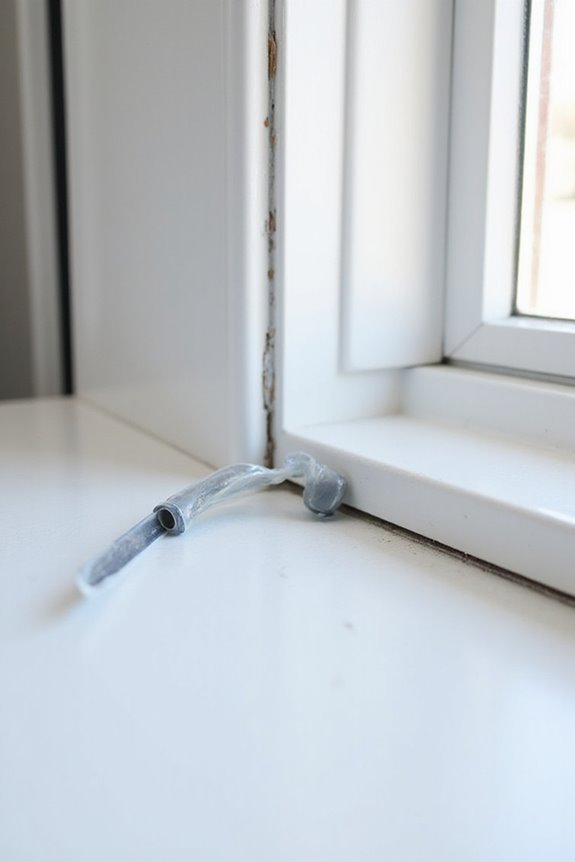
To effectively seal windows, we must first choose the right materials, like polyurethane for its excellent adhesion. We’ll prepare by cleaning surfaces, checking for cracks, and ensuring functional parts. When applying sealant, we should use precise techniques, like cutting the caulk tube at a 45-degree angle for even beads. It’s essential to avoid common mistakes, such as not removing old caulk completely. By following these steps, we can enhance the durability of our seals and improve energy efficiency. More essential tips await below.
Key Takeaways
- Clean the window surface thoroughly by removing old caulk and debris to ensure effective adhesion of the new sealant.
- Inspect for gaps and cracks before application, identifying weak areas needing special attention during sealing.
- Use the right sealing materials, like polyurethane for gaps or weather stripping for movable parts, based on specific needs.
- Apply caulk with a 45-degree cut for a smooth bead, ensuring snug fits when using weather stripping or backer rod.
- Allow adequate curing time after application to ensure durability and prevent moisture infiltration.
Types of Window Sealing Materials
You may be interested


Polyurethane materials excel in adhesion across various surfaces and expand to fill larger gaps, making them useful for insulating extensive window spaces. Though they’re paintable, Polyurethane has a shorter lifespan, usually lasting 5-10 years. Their curing time is slower, which may require careful planning during application. Selecting the right material is essential for optimal performance in our window sealing projects, as different products offer varying lifespan and performance levels based on environmental factors.
Preparation Before Sealing

Proper preparation is the key to a successful window sealing project, following the selection of suitable materials. Before we get started, we must prioritize surface cleaning and gap inspection to guarantee ideal adhesion.
- Remove old caulk and debris using a scraper or brush, guaranteeing a clean surface.
- Wipe down the area with a damp cloth and allow it to dry completely.
Next, we perform a thorough gap inspection around the window frame.
- Look for cracks or gaps, using your hands or smoke tests to identify leaks.
- Note any weak areas for focus during sealing.
Finally, guarantee movable parts are functional, replacing any worn weatherstripping. With these steps completed, we’ll set ourselves up for effective sealing. Additionally, selecting a high-quality window repair kit can enhance the longevity of your sealing efforts.
Application Techniques

Successful application techniques are essential for achieving effective window sealing. We begin by ensuring surface cleanliness, removing old materials with soap and water, and allowing everything to dry. For caulking techniques, we cut the caulk tube tip at a 45-degree angle and apply a steady bead along the seam.
When utilizing weatherstripping methods, accurate measurements and snug fits are key. Applying weatherstripping on both movable and stationary parts guarantees an airtight seal. Consider using foam backer rods in larger gaps before caulking; this reduces volume while increasing flexibility. Always tool the bead immediately for even distribution. Finally, let everything cure completely for ideal durability before exposing it to moisture or external conditions. Most kits utilize a heat application method, requiring a hair dryer for proper sealing.
Advantages of Different Sealing Methods

Understanding the various sealing methods available can enhance our window sealing projects. Each method holds unique advantages that contribute to our energy efficiency benefits while ensuring durability.
Weather Stripping
- Creates a flexible seal, ideal for movable parts.
- Effective in blocking drafts, maintaining indoor temperatures.
Caulking
- Provides a continuous, airtight seal that prevents moisture infiltration.
- Easy to apply, adaptable to structural movements.
Backer Rod and Caulk Method
- Enforces better caulk adhesion, ensuring a superior seal.
- Long-lasting performance evident in sealing effectiveness comparison.
Material-specific Seals
- Tailored for frame types and climates, offering peak longevity.
- Enhances our overall window comfort and reduces maintenance intervals.
Additionally, selecting the right adhesive strength is crucial for ensuring effective sealing and long-lasting performance. Exploring these methods allows us to choose the right solution for our window needs.
Tools Required for Window Sealing

When we tackle window sealing projects, having the right tools on hand is essential for achieving a professional finish. Here’s a checklist of some necessary tools to take into account:
Measuring and Preparation Tools:
- Measuring tape
- Utility knife
- Putty knife
- Screwdriver or drill
- Level
Sealant Application Tools:
- Caulking gun
- Sealant spatulas
- Plastic glazing sticks
- Painter’s tape
- Foam sealant dispenser
Safety Tools:
- Gloves and goggles
- Paintbrush
Utilizing these tools facilitates effective caulking techniques and allows us to explore various glazing options. Additionally, using energy-efficient windows can contribute to significant long-term savings on heating and cooling costs. Having everything organized enables us to work efficiently, ensuring that no important step is missed. Being prepared sets the stage for a durable and appealing window seal.
Common Window Sealing Mistakes to Avoid
With the right tools organized and ready to use, it’s important to recognize potential pitfalls that can undermine our window sealing efforts.
Removing Old Caulk
One common mistake is failing to remove old caulk completely. This can cause uneven adhesion, leading to leaks, as residual material prevents new sealants from bonding properly.
Sealing Gaps Thoroughly
Another pitfall is incomplete sealing of seams and corners. Neglecting these areas compromises waterproofing and allows air infiltration.
Following Instructions
Ignoring manufacturer instructions can also be detrimental. Proper techniques, including adhering to curing times, guarantee longevity, while using incompatible materials can reduce seal effectiveness.
Proper Installation
Finally, improper installation practices lead to misaligned windows. Dust and moisture can degrade adhesion, making our sealing efforts less effective. By avoiding these mistakes, we can help enhance insulation and energy efficiency. Additionally, incorporating energy-efficient materials like double-glazed glass can significantly improve thermal performance and further reduce energy costs.
Maintenance Tips for Sealed Windows
Regular maintenance is essential for extending the lifespan of window seals and ensuring ideal performance. We should conduct a thorough window inspection at least annually to check for signs of wear, such as cracks or air leaks. Pay close attention to drafts, condensation, and higher energy bills—they’re indicators of seal deterioration.
To maximize sealant longevity, we must reapply caulking every few years and replace brittle weatherstripping. In high-moisture areas, using silicone caulk is recommended. Post-extreme weather events, let’s inspect seals for possible damage.
Cleaning is equally important; using non-abrasive cleaners preserves clarity. By regularly checking the joints where trim meets the walls and addressing any moisture ingress, we enhance the effectiveness of our sealed windows.
Benefits of Proper Window Sealing
Effective window sealing is essential for enhancing energy efficiency and occupant comfort in any home. When we seal our windows properly, we experience significant energy savings by reducing heat transfer, which keeps our interiors warm in winter and cool in summer. We’re also less reliant on HVAC systems, lowering our energy consumption and utility bills.
Moreover, maintaining proper seals prevents drafts and cold spots, ensuring consistent indoor temperatures for comfort enhancement. Tight seals improve indoor air quality by blocking unfiltered outdoor air and noise pollution, promoting a healthier living environment. Ultimately, effective window sealing prolongs our windows’ lifespan and minimizes the need for costly repairs, helping us maintain our homes more efficiently and comfortably.
Frequently Asked Questions
How Often Should I Reseal My Windows?
We should reseal our windows every 2 to 5 years, depending on conditions. Regular window maintenance extends sealing lifespan, ensuring comfort and energy efficiency. Let’s commit to early inspections and proactive care together for lasting results.
Can I Use Multiple Sealing Materials Together?
Yes, we can definitely use multiple materials together! By combining various sealants, we enhance sealing effectiveness, filling gaps and addressing unique challenges, ensuring a more durable and efficient barrier against moisture and air leaks.
What Temperature Is Best for Sealing Windows?
The best sealing temperatures for us are between 40°F and 90°F. We’ve learned that temperature impacts our caulk’s adhesion and curing, so let’s choose the right conditions for a long-lasting seal together!
How Do I Know if My Windows Need Resealing?
When we feel a draft, it’s time for a thorough inspection. Let’s use our checklist to identify sealant types. Together, we can guarantee our windows embrace us with warmth and shield us from the elements.
Are There Eco-Friendly Sealing Materials Available?
Yes, there’re plenty of eco-friendly sealing materials available! We can choose from natural sealant options like silicone, polyurethane, and hybrid solutions, all providing sustainable sealing solutions while enhancing our home’s efficiency and protecting the environment.