As an Amazon Associate, we earn from qualifying purchases. Some links on this site are affiliate links at no extra cost to you. Our recommendations are based on thorough research and editorial judgment.


Pros And Cons Of Storm Windows?

Storm windows offer significant advantages, including up to 30% energy bill reductions, noise level decreases of 50-70%, and improved preservation of existing windows. However, they can also present drawbacks, such as potential airflow restrictions and condensation risks between windows. Installation may require maintenance, which can be cumbersome. Storm windows function as both an energy-efficient and protective measure, though their effectiveness can vary based on installation practices. Explore further for thorough insights into their impact and practicality.
Key Takeaways
- Storm windows can significantly reduce energy bills, offering savings of 21% to 30% compared to standard options.
- They provide excellent noise reduction, potentially minimizing outside noise by up to 70% or more.
- Installing storm windows can enhance security and protect original windows, especially in historic homes.
- Potential drawbacks include durability issues and risk of condensation forming between windows, leading to moisture problems.
- Proper installation is crucial, as gaps can limit energy efficiency and airflow, affecting indoor air quality.
Energy Efficiency Benefits
You may be interested


When we consider enhancing the energy efficiency of our homes, storm windows present significant advantages. These windows can lead to substantial energy savings, averaging about 21% compared to clear glass options. For example, low-E storm windows are ENERGY STAR certified, saving roughly $350 on heating and cooling bills annually.
Moreover, storm windows effectively reduce air leakage, cutting it by 6% to 8.6%. This reduction is particularly beneficial for older homes where drafts are common, resulting in further energy savings. Field studies have shown a remarkable 22% reduction in HVAC energy use when using interior storm window inserts. Additionally, the installation of storm windows can provide additional cost benefits as they might lead to lower energy bills over time.
Cost Advantages
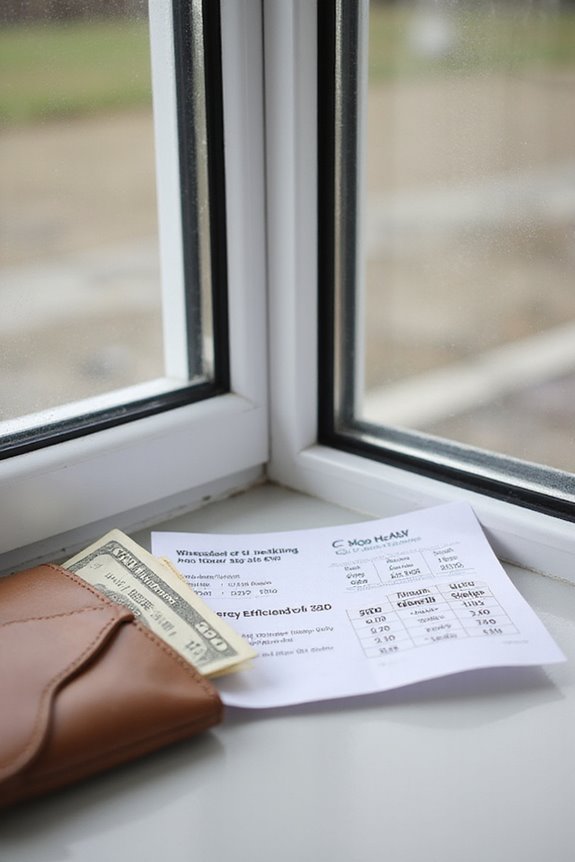
Investing in storm windows can provide significant cost advantages for homeowners. Storm windows can save us substantially on our energy bills, with some reductions reaching 30%. ENERGY STAR qualified options might save us about $465 annually for a typical 2,000 sq. ft. home.
Additionally, storm windows cost 20% to 50% less than full window replacements, offering budget flexibility without compromising on performance. With upfront savings averaging around $45 per window, we can improve our home gradually.
DIY installation further lowers upfront costs, allowing those on tighter budgets to enhance window performance without fully renovating. Over time, storm windows may extend the life of our existing windows, decreasing long-term replacement costs. Prioritizing storm windows can secure both immediate and future financial benefits. Moreover, considering energy-efficient features in storm windows can amplify your savings even further.
Noise Reduction and Protection
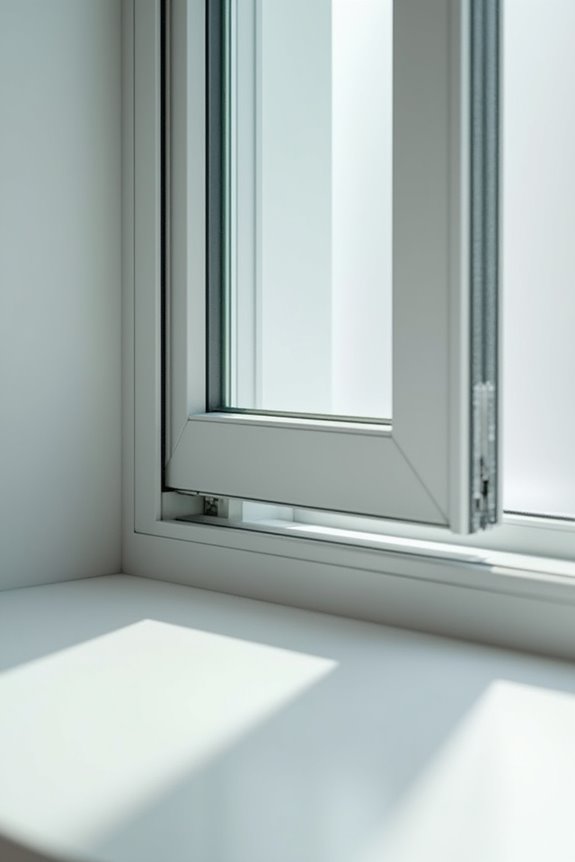
Though the main purpose of storm windows is energy efficiency, they also play an essential role in noise reduction and protection from harsh weather. These windows can reduce noise levels by about 50% to 70% when installed over single or double-pane windows. Soundproof storm windows can exceed this, reducing noise by up to 95%, providing an effective acoustic barrier.
Moreover, the additional air buffer helps dampen sound transmission, while the durable outer layer enhances weather resistance. When installed correctly, particularly with laminated glass, they create a tight seal, further optimizing noise blocking. Additionally, understanding warranty options is crucial for ensuring long-term effectiveness and protection.
Interior storm windows, featuring acrylic inserts, offer similar benefits while protecting interiors from UV damage. Overall, storm windows deliver substantial results in both noise and environmental protection.
Preservation and Security
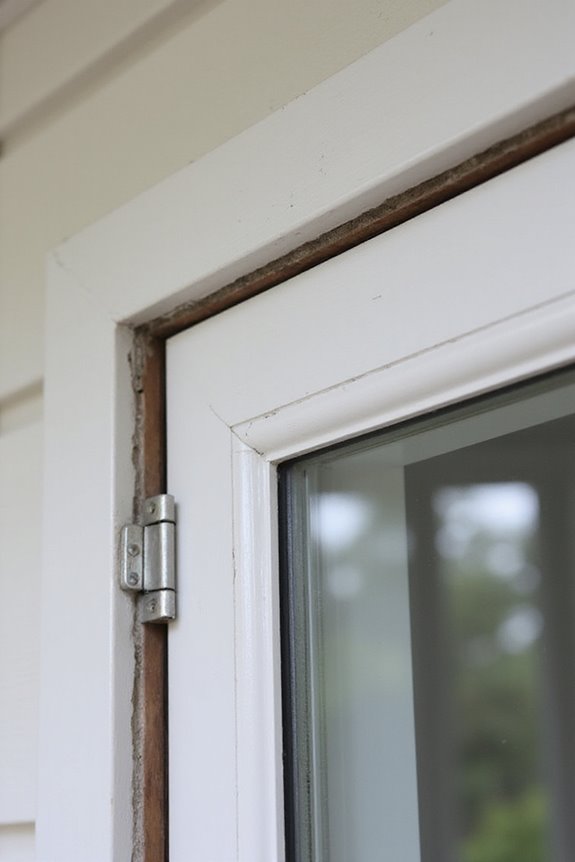
Storm windows serve a crucial role in preserving the integrity of historic and original windows while enhancing security. By acting as a protective barrier, they shield our windows from storm damage, ensuring their longevity and minimizing repair needs. This also supports our commitment to historical accuracy by preserving original materials, rather than opting for modern replacements.
Additionally, storm windows fortify our homes against breakage and deter forced entries, thereby improving security. Their design helps maintain window integrity by reducing moisture-related issues, preventing rot that compromises structural strength. In essence, storm windows provide a practical solution for both preservation and security, allowing us to maintain the character of our historic properties while enhancing their resilience. Furthermore, incorporating impact-resistant glass can significantly contribute to the durability and effectiveness of storm windows during severe weather events.
Installation and Maintenance Considerations

Ensuring storm windows provide their intended benefits requires careful installation and ongoing maintenance. With proper installation techniques, we first need to measure the width at the top, middle, and bottom, using the smallest dimension for accuracy. It’s critical to center the storm window in the opening and secure screws without overtightening to prevent distortion.
For maintenance tips, we recommend regularly inspecting the caulk around the frame for integrity and cleaning the window tracks. Lubricating moving parts will enhance functionality. Additionally, monitoring the bottom expander for a proper flush fit helps maintain effective sealing. With attention to these details, we can maximize the efficiency and longevity of our storm windows. Properly installing window seal kits can also significantly reduce heating costs during winter months.
Limitations and Practicality
While storm windows can offer some advantages, they also come with several limitations that affect their overall practicality.
First, we face durability concerns, as many storm windows utilize single-pane glass and metal frames that conduct heat. This often leads to temperature fluctuations rather than stability. Furthermore, gaps between storm and original windows can result in drafts, limiting their efficiency.
Next, we encounter airflow restrictions; the added barrier may hinder natural ventilation during warmer months, complicating indoor air quality. Additionally, condensation can form between windows, increasing moisture risks like mold.
Finally, installation can be cumbersome, requiring removal for cleaning, which reduces long-term usability. Overall, while storm windows can be beneficial, their limitations need careful consideration before choosing them for our homes. Moreover, selecting double or triple-pane glass can significantly improve insulation performance, addressing some concerns associated with storm windows.
Environmental Impact
Adopting storm windows can yield significant environmental benefits, particularly in energy savings and reduced carbon emissions. By improving insulation, these windows can save households 7.8% to 33% in energy costs, especially in colder climates. When we look at lifecycle analysis, storm windows extend the life of existing windows, reducing the need for new materials and conserving resources.
Additionally, their low-e coatings enhance thermal performance without adding excessive materials. This aligns with our sustainability practices, as they minimize waste and decrease greenhouse gas emissions from heating and cooling demands.
Frequently Asked Questions
How Do Storm Windows Affect Natural Light Entering My Home?
Like a gentle filter, storm windows can dim natural light while enhancing energy efficiency. They improve our comfort but might draw us into compensating with artificial lighting, balancing warmth and brightness in our shared spaces.
Are Storm Windows Effective for Hurricane or Severe Weather Protection?
While storm windows can help with energy efficiency, they aren’t effective for hurricane resistance. Their materials lack the durability needed to withstand severe weather, so we shouldn’t rely on them for true protection during storms.
Do Storm Windows Require Special Cleaning Methods or Products?
Oh, darling, we’d never dream of cleaning storm windows without finesse! Employ gentle cleaning techniques and mild products like vinegar. Together, we’ll keep those beauties clear, ensuring they shine brilliantly while snubbing harsh chemicals.
Can I Use Storm Windows in Combination With Window Treatments?
Yes, we can absolutely combine storm window installation with various window treatments! Their design guarantees window treatment compatibility, allowing us to enjoy both effective protection and the beauty of our favorite drapes or shades together.
What Styles of Storm Windows Are Available for Different Home Designs?
When exploring storm windows, we’ll find various styles like double hung and casement variants, each enhancing our home’s design while providing essential protection. Let’s discover the perfect fit for our unique space together.