As an Amazon Associate, we earn from qualifying purchases. Some links on this site are affiliate links at no extra cost to you. Our recommendations are based on thorough research and editorial judgment.


Pros And Cons Of Vinyl Replacement Windows?

Vinyl replacement windows are cost-effective, generally ranging from $5,600 to $10,300 for ten windows. They offer good energy efficiency due to features like multi-chambered sashes and Low-E coatings. With a lifespan of 20 to 40 years, maintenance is minimal compared to wood. However, aesthetic options may be limited compared to wood or fiberglass. Security features include durable frames and tamper-resistant locks. To understand their long-term value and environmental impact, let’s explore further.
Key Takeaways
- Cost-Effective: Vinyl windows are generally budget-friendly, with whole-home replacements averaging $5,600 to $10,300 for ten windows.
- Energy Efficient: They provide good insulation with features like dual-pane glass and Low-E coatings, leading to utility savings.
- Durable: Vinyl windows last 20 to 40 years and resist rot and corrosion better than wood or aluminum.
- Minimal Maintenance: They require less upkeep compared to wood windows, making them easier to care for over time.
- Limited Aesthetic Options: Vinyl windows offer fewer design variations than wood or composite options, which may impact marketability.
Cost and Affordability of Vinyl Windows
You may be interested


Several pricing factors influence overall costs, including window type, brand, and customization options. For effective budgeting strategies, replacing multiple windows simultaneously can lower installation costs considerably. Whole-home replacements average $5,600 to $10,300 for ten windows, providing a compelling opportunity for cost efficiency. Considering these details helps us balance quality and affordability, ensuring smart home investment decisions. Additionally, understanding the energy efficiency ratings of different vinyl windows can further guide decisions to achieve optimal savings on heating and cooling costs.
Energy Efficiency Benefits
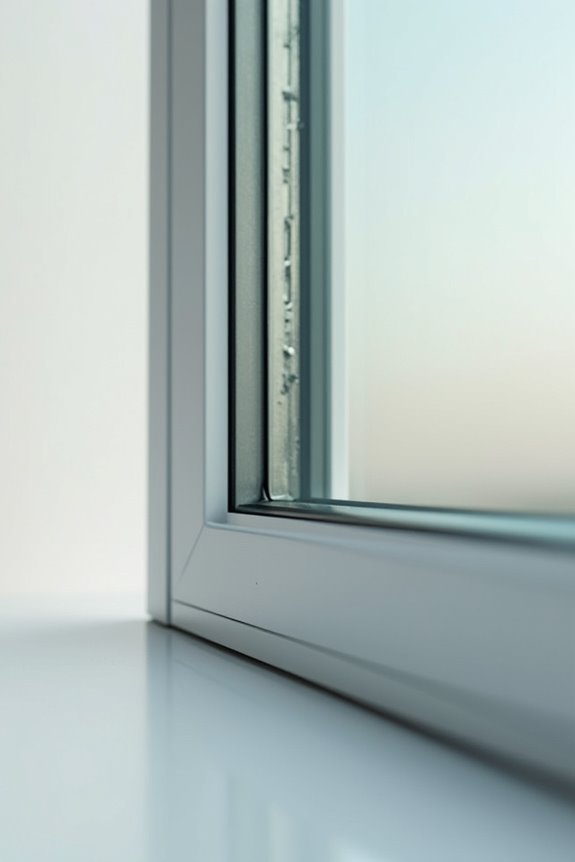
When we consider energy efficiency, vinyl replacement windows stand out due to their thermal insulation properties. Their multi-chambered sashes and frames create effective air pockets, reducing heat transfer and maintaining consistent indoor temperatures.
Key benefits include:
- Enhanced U-factor ratings, indicating superior insulating effectiveness.
- Reduced reliance on heating and cooling systems, leading to significant energy savings.
- Lower energy consumption, resulting in noticeable reductions in utility bills over time.
Additionally, features like dual-pane insulated glass and Low-E coatings bolster insulation, improving our overall comfort levels. With less air infiltration, our indoor climate remains stable, allowing HVAC systems to operate more efficiently. Overall, these benefits contribute to both cost savings and a reduced carbon footprint, making vinyl windows an energy-efficient choice. Furthermore, proper installation techniques ensure that air leakage is minimized, thus amplifying energy efficiency.
Durability and Maintenance Considerations

Durability and maintenance are key factors to contemplate when evaluating vinyl replacement windows, especially following discussions on their energy efficiency. Vinyl windows typically last between 20 to 40 years, depending on the material quality and installation. They resist rot, corrosion, and warping better than wood or aluminum.
To guarantee longevity, we should keep an eye out for common wear signs like fading or brittleness. It’s crucial to follow maintenance tips like:
- Cleaning with soap and water, avoiding abrasive cleaners.
- Regularly inspecting seals to prevent moisture issues.
- Keeping gutters clear to reduce excess moisture near frames. Additionally, understanding local building codes can ensure proper installation and warranty maintenance, further enhancing durability.
Aesthetic and Design Options

While considering vinyl replacement windows, we can appreciate the wide range of aesthetic and design options available to homeowners.
Color Customization Options
Vinyl windows offer various color choices, including whites, beiges, and bold shades like black. However, color customization options can be more limited than wood. Advanced technologies enhance color durability, resisting fading over time.
Frame Design Flexibility
Vinyl’s malleability allows for numerous frame designs, including double-hung, casement, and custom shapes. We can also choose from sleek, thin frames that maximize glass area, or thicker frames for a traditional look.
Diverse Styles
With options like bay and bow windows, vinyl accommodates many architectural styles. Additionally, removable grilles or internal patterns enhance aesthetics without heavy maintenance. Furthermore, selecting models with superior insulation ratings can ensure long-term energy efficiency and add value to the home.
Installation Process and Challenges

Understanding the installation process of vinyl replacement windows is significant, as it can considerably influence the window’s performance and longevity.
Preparation Steps
We start by inspecting the existing frame for damage and cleaning the rough opening. It’s essential to verify that the opening is square within 1/4 inch. Applying flashing tape to the sill prevents water intrusion, enhancing the installation.
Positioning the Window
Next, we dry-fit the window, ensuring it’s centered and shimmed properly for a secure fit. Driving screws through pre-drilled holes keeps the window stable.
Common Challenges
Window challenges include handling oversized windows, requiring additional help. It’s important to align screw holes with framing members for proper fastening. Using the right caulk type will optimize sealing, ensuring your new windows perform effectively. Additionally, understanding energy efficiency considerations can help you choose the best insulation options for your new windows.
Noise Insulation Performance
To effectively reduce outdoor noise, vinyl replacement windows utilize advancements in design and glass technology. For instance, double- and triple-pane windows create multiple sound barriers, greatly improving noise reduction. Varying glass thicknesses help dampen different frequencies, while argon or krypton gas fills between the panes further reduce sound transmission.
Key aspects include:
- Quality vinyl frames with up to 18 insulating air chambers enhance noise control.
- The non-porous nature of vinyl blocks sound waves more effectively compared to porous materials. Additionally, incorporating Low-E coatings can further improve the thermal properties of the windows while contributing to sound insulation.
Proper installation is essential for achieving ideal soundproofing performance. Using soundproofing techniques, like ensuring airtight seals, can dramatically affect the effectiveness of these acoustic enhancements, allowing us to enjoy a quieter, more peaceful indoor environment.
Security Features of Vinyl Windows
Securing our homes is a priority, and vinyl replacement windows offer various features designed to enhance safety and deter intruders. These windows provide exceptional burglar resistance through their durable polyvinyl chloride (PVC) frames, which resist warping and deterioration. Heavy-duty, tamper-resistant locks and multi-point locking systems further reinforce security enhancements by distributing force across multiple points, preventing forced openings.
Additionally, the use of laminated and impact-resistant glass enhances overall strength, resisting shattering during break-in attempts. Frame reinforcement with steel or aluminum increases resistance to prying and bending. With an effective installation, these features create a robust barrier against intruders, fostering peace of mind and making our homes less appealing targets for burglary.
Environmental Impact
When considering vinyl replacement windows, it’s important to assess their environmental impact alongside their security features.
Vinyl windows are made from polyvinyl chloride (PVC), a raw material sourced from fossil fuels like petroleum and natural gas. This process is energy-intensive, contributing to greenhouse gas emissions and potentially releasing harmful pollutants.
Energy efficiency is a notable benefit, as these windows can reduce heating and cooling energy use by around 25-30%. However, recyclability challenges remain significant. Though vinyl can be recycled, the required facilities are not widespread, limiting actual recycling rates.
Additionally, while vinyl has a long lifespan of 20-40 years, increasing investment in recycling infrastructure is essential to minimize landfill waste and enhance the circular economy.
Comparison With Other Window Materials
While many homeowners look at vinyl replacement windows for their affordability and energy efficiency, it is essential to compare them with other window materials to make an informed choice.
Cost and Affordability
Vinyl windows are typically the most budget-friendly option. In contrast, wood and fiberglass windows carry higher costs due to materials and maintenance needs.
Maintenance and Durability
Vinyl windows require minimal upkeep, while wood demands regular maintenance to avoid damage. Fiberglass offers strength but can be pricey.
Energy Efficiency
Vinyl windows provide good insulation, though fiberglass outperforms them. Aluminum, while affordable, incurs higher energy costs due to poor insulation.
Aesthetics
Vinyl offers fewer design options compared to wood or composite windows, which provide more customization.
Understanding these comparison aspects helps us make informed choices based on performance metrics.
Long-Term Value and Lifespan
In evaluating the long-term value and lifespan of vinyl replacement windows, it’s vital to take into account several factors that influence their durability. Generally, these windows last between 20 to 40 years, depending on the environment and maintenance.
- Exposure to harsh sunlight may limit lifespan to around 20 years, while those installed in shaded areas can last closer to 40 years.
- Proper installation and regular maintenance, including cleaning and inspections, are necessary to maximize their longevity.
Value considerations factor in overall durability, warranty periods of 15 to 25 years, and the potential for enhanced resale value. By choosing quality materials and caring for them, we guarantee our investment in vinyl windows remains worthwhile over decades.
Frequently Asked Questions
Do Vinyl Windows Fade Over Time?
Yes, vinyl windows can fade over time due to UV exposure, affecting color stability. However, choosing high-quality options can enhance UV resistance, helping them maintain their appearance longer and ensuring we enjoy their beauty together.
Can I Paint Vinyl Windows if I Want a Different Color?
Absolutely, we can paint vinyl windows for a fresh look! Just imagine transforming our space with new colors. The painting process involves careful prep, light sanding, and choosing color options wisely for a lasting finish.
Are Vinyl Windows Recyclable?
Yes, vinyl windows are recyclable! Through a specialized recycling process, we can greatly reduce their environmental impact, turning old frames into new products. Together, we can support sustainability and make a difference in our world!
How Do Vinyl Windows Perform in Extreme Temperatures?
Imagine our windows as diligent sentinels, guarding our home’s warmth. In extreme temperatures, they shine with excellent insulation properties, managing thermal expansion gracefully, ensuring we stay cozy and protected through winter’s chill and summer’s blaze.
What Warranties Are Typically Available for Vinyl Windows?
We’ve found that vinyl windows usually come with limited lifetime warranties, covering material defects and some aesthetics. It’s essential to understand the specifics, as conditions and transferability can vary greatly among manufacturers.