As an Amazon Associate, we earn from qualifying purchases. Some links on this site are affiliate links at no extra cost to you. Our recommendations are based on thorough research and editorial judgment.


What Is Window Insulation?

Window insulation is a method we use to improve energy efficiency by reducing heat transfer through windows. This often involves double or triple-pane designs, supplemented with Low-E coatings that minimize infrared heat movement. Energy-efficient windows can decrease energy use by up to 40%, and installing them supports environmental goals by lowering CO2 emissions. Additionally, proper installation helps maximize benefits, which we’ll explore further with various techniques and their impacts.
Key Takeaways
- Window insulation reduces heat transfer through windows, enhancing energy efficiency in buildings.
- It utilizes materials like double or triple-pane glass and Low-E coatings for improved thermal performance.
- Proper installation minimizes air leakage, maximizing the benefits of insulation.
- Insulated windows improve comfort, stabilize indoor temperatures, and enhance air quality.
- They contribute to environmental sustainability and economic savings by reducing energy bills and CO2 emissions.
Definition of Window Insulation
You may be interested


Window insulation is an essential component in energy efficiency for buildings. It refers to materials and technologies designed to reduce heat transfer through windows. By incorporating various window insulation materials, we greatly enhance our homes’ thermal resistance factors, measured as R-value or U-factor.
Typically, insulated windows feature two or more glass panes separated by gas-filled spaces, providing effective barriers against heat loss in winter and heat gain in summer. Technologies like low-emissivity (Low-E) coatings minimize infrared heat transfer, while spacer materials secure the glass panes.
Various types of insulated glass units exist, including double and triple-pane windows, aiding in thermal management and improving indoor comfort. Understanding these materials helps us make informed decisions about energy-efficient solutions for our homes. Additionally, proper installation techniques are crucial for maximizing the benefits of window insulation, ensuring minimal air leakage and optimal performance.
Energy Efficiency Benefits
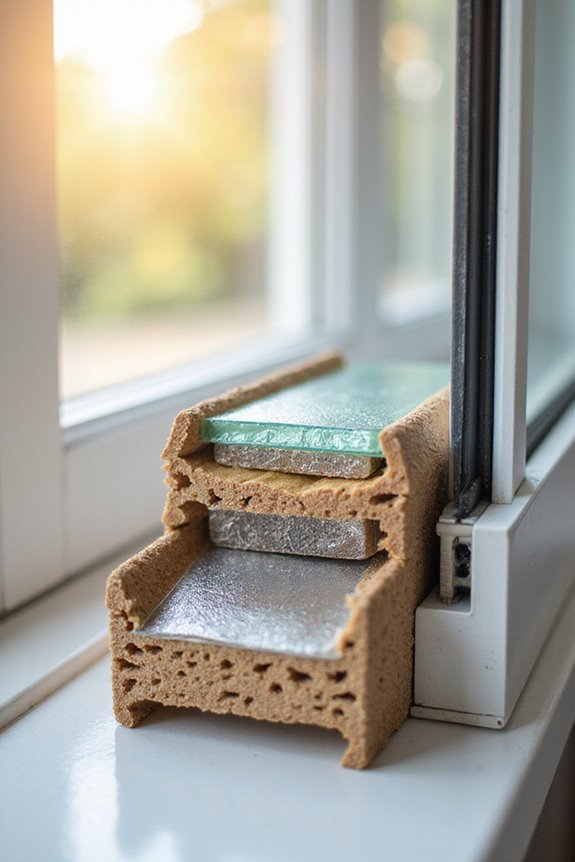
Energy-efficient windows provide significant advantages in reducing energy costs and improving overall comfort in our living spaces. By minimizing heat transfer, they can decrease heating needs in winter and cooling demands in summer, potentially cutting energy use by up to 40%. With ENERGY STAR certified windows, we can save an average of 12% annually on energy bills.
The climate impact is profound; replacing single-pane windows can lower CO2 emissions between 1,006 to 6,205 pounds per year. This reduction helps decrease our reliance on fossil fuels and supports global carbon reduction targets. By opting for insulated windows, we achieve notable energy savings while directly benefiting the environment. Consequently, investing in window insulation is a practical step toward a sustainable future. Moreover, selecting windows with Low-E glass technology can significantly enhance thermal efficiency, further optimizing energy performance.
Comfort and Indoor Environment Improvements

Enhancing indoor comfort and the overall environment in our homes is achievable through effective insulation techniques. Insulated windows provide temperature stability by creating a barrier that blocks unwanted heat gain during summer and retains warmth in winter. This consistent indoor temperature reduces sensations of cold drafts and hot spots, ensuring we feel comfortable year-round.
Moreover, window insulation aids in humidity control. It limits the infiltration of moist outdoor air, helping maintain stable humidity levels. This control reduces the risk of mold growth and enhances indoor air quality by preventing excessive dampness. Ultimately, efficient insulation contributes considerably to a healthier living environment that supports our overall well-being. With proper measures in place, we can enjoy a more pleasant and inviting home. Additionally, effective sealing from weather stripping can further improve insulation and energy efficiency in your home.
Noise Reduction and Security

Many homeowners seek solutions to improve both the sound quality within their living spaces and enhance security measures. One effective soundproofing method is utilizing soundproof window inserts, which can reduce noise by 70-80%, providing a significant barrier against outside disturbances. High-quality options, such as PrivacyShield® and Indow Acoustic Grade, prominently enhance this noise reduction. Additionally, choosing windows with higher STC ratings can greatly improve soundproofing efficacy.
When it comes to security enhancements, laminated glass windows are essential. They hold glass fragments together upon impact, resisting forced entries. Additionally, soundproof window inserts create a secondary layer that increases resistance to break-ins. Proper sealing around windows, dual-pane constructions, and robust locking hardware can further bolster sound and security, offering peace of mind while improving the overall living environment.
Types of Window Insulation
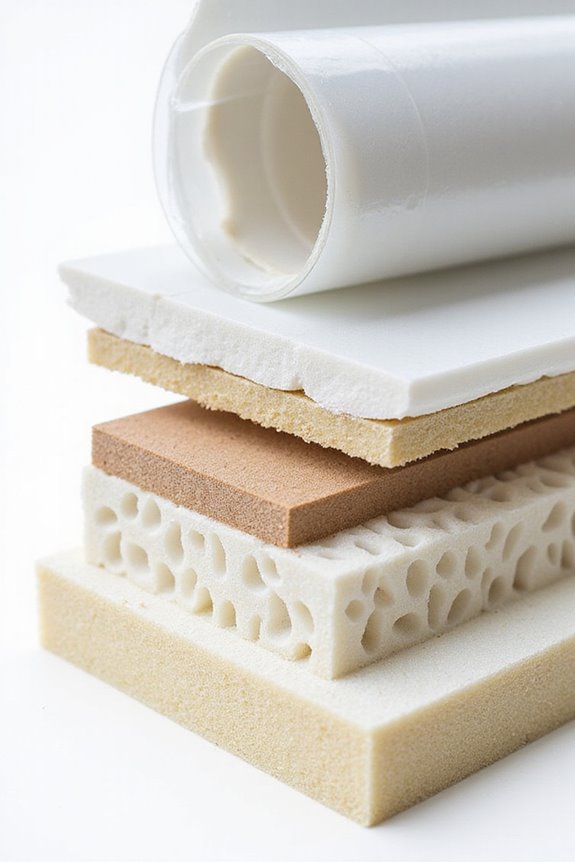
- Fiberglass: Low thermal conductivity, minimizing heat transfer effectively.
- Vinyl (PVC): Excellent insulation combined with cost-effectiveness.
- Wood: Good insulation and aesthetically pleasing, though requires maintenance.
- Aluminum: Lower insulation unless paired with thermal breaks.
- Composite: Combines wood and polymer, offering stable structure and moisture resistance.
Glass Types
- Annealed: Standard, untreated glass with minimal insulation.
- Heat-strengthened: Stronger option with moderate insulation improvement.
- Tempered: Provides decent insulation and enhanced safety.
- Laminated: Multiple bonded layers improve insulation and soundproofing.
- Low-E Coatings: Reduces heat transfer, enhancing energy efficiency. Additionally, the use of insulating film window kits can further enhance the thermal performance of your home.
Common Methods for Insulating Windows
When it comes to improving window insulation, we have a variety of effective methods at our disposal. Understanding the right weatherstripping techniques is essential. We can apply rubber seals or foam tape around window frames to stop drafts, costing $10 to $15 per pack.
Additionally, thermal curtains and window insulation films serve as substantial insulation materials. Heavy curtains can trap warm air, while plastic films maintain natural light by reducing heat transfer. For more specialized solutions, consider using window insulation kits that provide significant draft reduction and energy savings.
Caulking seals gaps in fixed window frames, enhancing airtightness over time. For a DIY touch, draft stoppers and bubble wrap provide easy, cost-effective solutions to block air leaks.
Economic Impact of Window Insulation
Window insulation not only enhances energy efficiency but also has a significant economic impact at multiple levels.
Energy Savings
We can save approximately $780 annually on energy bills with window insulation, reflecting a 40% decrease in costs. For commercial buildings, savings exceed $9.6 billion yearly, averaging $2,100 per building.
Employment Boost
The insulation industry supports over 1.8 million jobs, with direct manufacturing employing around 40,000 workers. This economic activity generates substantial tax revenue, contributing roughly $5.7 billion annually to federal and state governments.
Market Trends
Investment in energy-efficient windows is projected to grow, from £13.5 billion in 2021 to £27.8 billion by 2030, driven by supportive insulation policies and increased construction of energy-efficient buildings.
Environmental Benefits of Enhanced Window Insulation
The benefits of enhanced window insulation extend beyond merely improving energy efficiency; they play an essential role in environmental sustainability. By adopting effective sustainability practices, we can notably reduce greenhouse gas emissions. For instance, replacing single-pane windows with Energy Star certified windows can prevent 1,006 to 6,205 pounds of carbon dioxide emissions annually per household.
Furthermore, insulated windows lead to improved energy conservation, lowering our reliance on HVAC systems and minimizing energy waste. With less energy consumption, we can collectively contribute to climate action, decrease natural resource extraction, and promote a healthier living environment. Over a decade, window insulation can save over 5 tons of CO2 emissions, showcasing its crucial importance in combating climate change while enhancing our homes’ comfort.
Frequently Asked Questions
How Can I Determine if My Windows Need Insulation?
To determine if our windows need insulation, we should check for drafts and higher energy bills. If we notice uncomfortable drafts, it’s a sign we can boost our home’s energy efficiency with better insulation solutions.
Is Window Insulation Suitable for All Types of Buildings?
While residential buildings thrive with window insulation, commercial buildings also benefit substantially. We’ve seen energy savings across the board. Let’s embrace insulation together, enhancing comfort and efficiency in our diverse spaces. It’s worth exploring!
Can I Install Window Insulation Myself?
Absolutely, we can tackle DIY installation together! With basic insulation materials like plastic film and tape, it’s a straightforward project. Just follow the steps, and we’ll keep our windows cozy without breaking the bank!
What Is the Lifespan of Window Insulation Materials?
Imagine our cozy home lasting years—window insulation types can last anywhere from 20 to 100 years. With proper care, we can enjoy comfort and efficiency, but we must consider the lifespan of our window materials too.
Are There Any Government Incentives for Window Insulation Upgrades?
Yes, there are government programs that offer tax credits for energy efficiency upgrades, including window insulation. By taking advantage of these incentives, we can save on costs while improving our homes’ energy performance together.